Showing posts with label parasites. Show all posts

Parasitism: Definition and Examples

Sunday, January 2, 2022

Examples of Parasitism

A relationship between two species of plants or animals in which one benefits at the expense of the other, many times the parasite lives in or on the host and may even cause the host to die.

definition parasitism


Let’s take a look at a couple of examples. Plasmodium is a protozoan that causes malaria which is a worldwide disease. The Plasmodium enters the bloodstream of the host from a mosquito bite. It lives in the host’s blood but eventually infects the red blood cells which can lead to malaria.

Many worms are parasites. A very common example is a tapeworm that lives inside the intestine of an animal and will eat a portion of the food of the host. The tapeworms may lead to serious complications, including blocking the intestine.
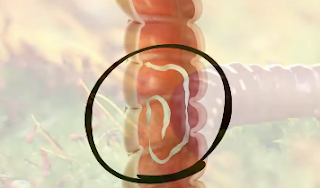

tapeworm

Several arthropods are parasites like this tick. The tick drinks the blood of the host and some ticks may transfer Lyme disease to the host which can be a very serious disease. My daughter had Lyme disease. 


Plants can even be parasites. Mistletoe is a plant you will see high in trees and is actually a parasite. Mistletoe will attach to their host tree or shrub and then extract water and nutrients from the host plant.


Rafflesia is noted for producing the largest individual flower on Earth. It has a very strong and unpleasant odor. Rafflesia lacks any observable leaves, stems, or even roots, This plant grows thread-like strands of tissue that come in contact with surrounding host plants from which nutrients and water are obtained.
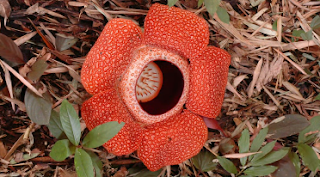

parasitic plant


So in summary parasites benefit from their relationship with their host and the host is either harmed or possibly dies.


You may also enjoy


What is Ecology

Symbiotic Plants

Parasitism Examples

Thursday, April 11, 2019


Examples of parasitism This innocent looking bird called a cowbird lays her eggs in another birds nest and expects the unsuspecting mom to raise their young. If this bird kicks her eggs out of the nest the cowbird may destroy her nest. This is just one example of parasitism. Parasitism is a symbiotic relationship in which one organism benefits and another organism is harmed and in some cases may die.
Parasitism is a symbiotic relationship between the different organisms.
Let’s take a look at examples of parasitism. Mosquitoes These annoying pests will show up at most picnics and start trying to have a meal at your expense. mosquitoes are carriers, or vectors, for some of humanity’s most deadly illnesses, and they are public enemy number one in the fight against global infectious disease. Mosquito-borne diseases cause millions of deaths worldwide In a similar fashion, ticks will do the same to you, dogs, livestock. The latch on to their host and start eating. Ticks can infect their host with many diseases including Lyme disease. Many worms are parasitic. A leech is a segmented worm that attaches to a host like you and gets a meal from their blood. They secrete a chemical that actually prevents the blood from clotting. If present in great numbers on a host, these can be debilitating, and in extreme cases, cause death. E. coli There are hundreds of different types, or strains, of the bacteria E. coli (Escherichia coli). Most of these are harmless and live in the intestines of healthy people and animals. But some strains of E. coli make a strong toxin that can cause a severe infection. Mistletoe This plant you will see high in trees is actually a parasite. Mistletoe will attach to their host tree or shrub and then extract water and nutrients from the host plant. Albino redweed An albino redwood is a redwood tree which is unable to produce chlorophyll, and so has white needles instead of the normal green. It survives by obtaining sugar through the connections between its roots and those of neighboring normal redwood Parasitoid wasps lay their eggs inside or on the bodies of the host such as arthropods or caterpillars. the offspring eventually devour their way out causing the death of these hosts.

Related Links

Powered by Blogger.
Back to Top