
Heterotrophs
Every day in some form this relationship takes place. The predator in this case the cat stalks its prey while the prey must avoid becoming lunch. Why do cats have to hunt other organisms? They are heterotrophs and that is what heterotrophs have to do to stay alive.
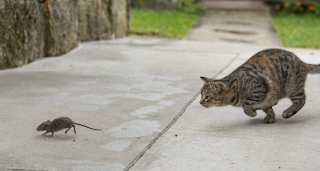
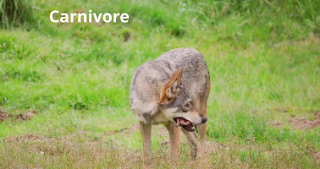
Heterotrophs are organisms that get their energy from other organisms. The word heterotrophs is derived from hetero which means “another” and trophic which means “nutrition.” Therefore, an organism that is a heterotroph gets its nutrition by consuming other organisms. Heterotrophs use the glucose from other organisms in order to produce ATP in a process called cellular respiration. In turn, the ATP is converted into energy. Heterotrophs are also called consumers because they consume other organisms. There are four main types of heterotrophs. Carnivores eat mainly meat or other organisms. They are considered predators because they hunt their prey in order to gain energy from the prey. Common examples would be a lion, a jaguar, and many snakes. However, some insects like a dragonfly and Praying Mantis are carnivores. The oceans also contain a large number of carnivores like sharks, squid, and barracudas.
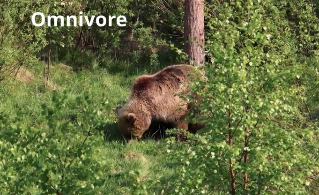
An omnivore eats both plants and animals. Most humans are omnivores along with dogs, and cats. Omnivores are found in all of the major terrestrial and aquatic biomes. For example, in the desert, you may find a small rodent called the Jerboa which likes to feed on plants and animals. The clownfish is an example of an omnivore found in the ocean, and most bears are omnivores. They will consume both plants and other animals.
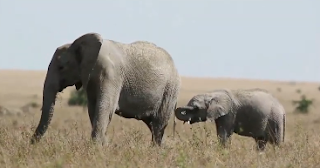
Herbivores eat plants. Common examples are horses and cows. One of the largest land animals found on the planet, the elephant, is an herbivore and feeds on grass, trees, fruit, and other plants.
Decomposers are also heterotrophs. They are organisms that use enzymes and chemical reactions in order to break down once-living organisms. There are two main types of decomposers. Saprotrophs absorb their nutrition from decaying organisms. Examples are bacteria and fungi like mushrooms. Detrivores ingest small bits and pieces of dead animals or feces. For example, flies, dung beetles, and earthworms are detritivores. If you look at an energy pyramid you will find heterotrophs right above the consumers all the way to the very top of the energy pyramid.
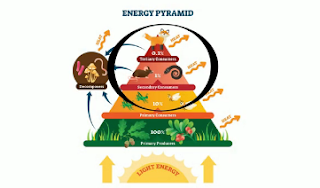
The base of the pyramid is always occupied by autotrophs that get their energy from the sun. Herbivores which are also called primary consumers make up the next level because they eat plants. Carnivores and omnivores are found next because they eat the herbivores. These organisms are also called secondary consumers. Finally, the top of the pyramid is occupied by the top consumers called tertiary consumers which eat secondary consumers.


